Nutrition Facts / Nothing Hidden
Nutrition Facts
Ancient Grains & Seeds / Seven Types
Oat Flour
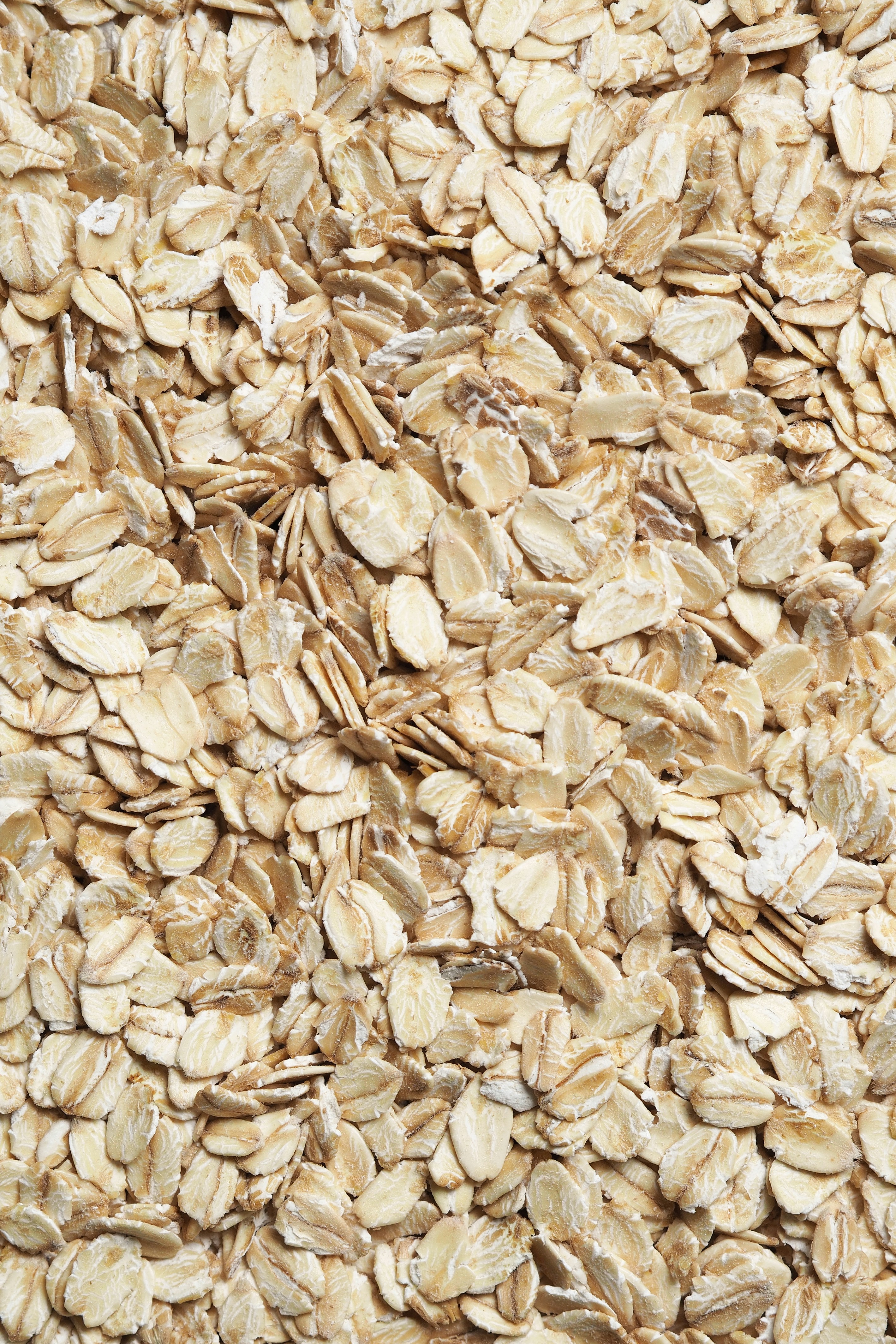
Oat flour contributes the grain backbone of GÜTE Crunch — mild flavor, gentle binding, and a soluble fiber called beta-glucan that the FDA has authorized a specific health claim for: reducing the risk of coronary heart disease.[1] That's one of only two fibers in the entire U.S. food supply with that status.
Beta-glucan forms a viscous gel in the digestive tract that has been shown in clinical studies to slow gastric emptying and support healthy LDL cholesterol levels.[2] The mechanism is well-documented: the gel binds to cholesterol-containing bile acids in the small intestine, reducing their reabsorption.
FDA Authorized Health Claim — Beta-Glucan / Heart DiseaseSources
FDA. 21 CFR § 101.81 — Health claims: Soluble fiber from certain foods and risk of coronary heart disease. ecfr.gov →
Paudel et al. (2020). Global review of heart health claims for oat beta-glucan products. Nutrition Reviews. academic.oup.com →
Millet Flour
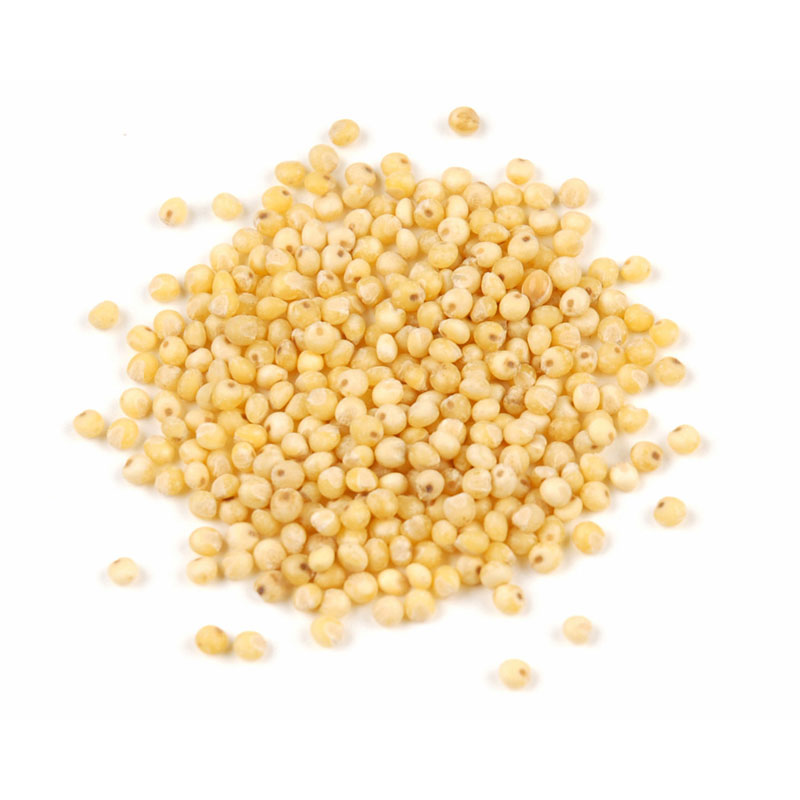
Millet is one of the oldest cultivated grains, grown across Africa and Asia for thousands of years. Naturally gluten-free, it has a lighter texture than denser grain flours like sorghum — which contributes to the lift and crumb structure of the baked core without making it heavy.
Rich in magnesium, phosphorus, and antioxidant polyphenols — including phenolic acids, flavonoids, and catechins — millet also contributes insoluble fiber that supports gut transit.[1] It often gets overlooked in favor of trendier grains, but it quietly does a lot of structural work inside every GÜTE Crunch.
Sources
Gupta et al. (2024). Harnessing the nutritional profile and health benefits of millets. PubMed. pubmed.ncbi.nlm.nih.gov →
Bora et al. (2025). Exploring the bioactive components of millets for their nutraceutical potential. PMC. pmc.ncbi.nlm.nih.gov →
Sorghum Flour
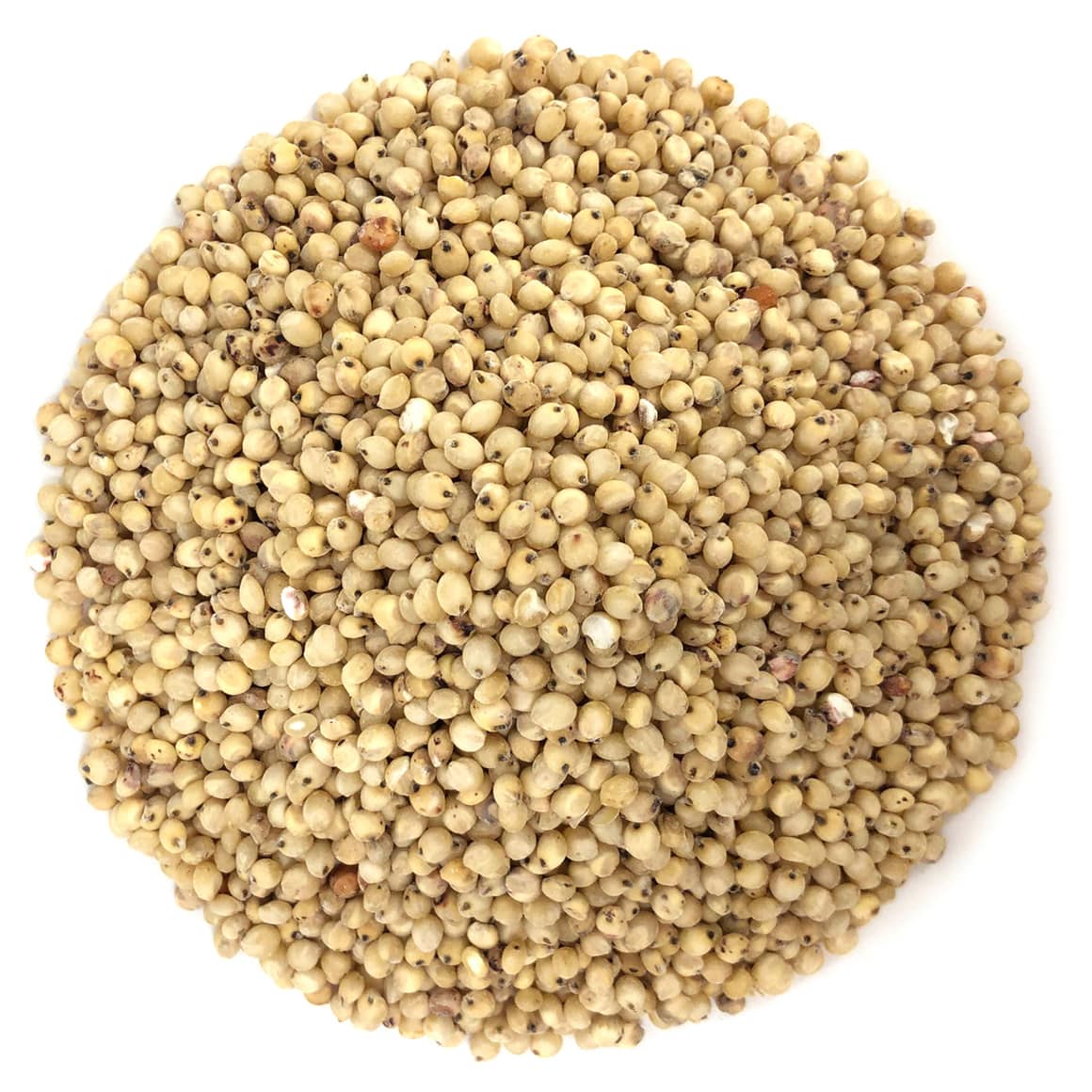
Sorghum has been cultivated for over 8,000 years and remains a staple grain across sub-Saharan Africa and South Asia. Naturally gluten-free, it is particularly high in phenolic compounds — a class of antioxidants including 3-deoxyanthocyanidins, tannins, and flavonoids that has been the subject of ongoing nutritional research for its potential role in reducing oxidative stress.[1] Among major cereals, sorghum has among the most abundant phenolic content by weight.[2]
In GÜTE Crunch, sorghum flour contributes both soluble and insoluble fiber fractions, a slightly nutty depth of flavor, and a structural density that helps create the bar's characteristic crunch. It bakes well and performs reliably in a gluten-free formula without additives.
Sources
Dykes & Rooney (2018). Phenolic Compositions and Antioxidant Activities Differ Significantly among Sorghum Grains with Different Applications. PMC. pmc.ncbi.nlm.nih.gov →
Kumari et al. (2020). Characterization of phenolic compounds and antioxidant activity in sorghum grains. Cereal Research Communications. link.springer.com →
Quinoa Flour
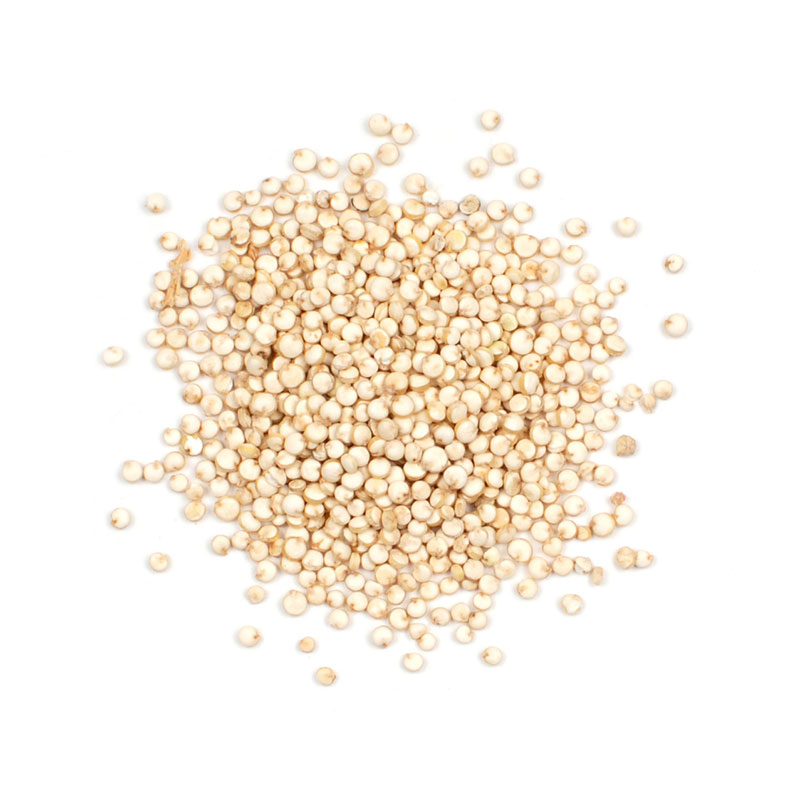
Technically a seed, quinoa is one of the few plant foods that contains all nine essential amino acids — making it a notable protein source in a vegan formula.[1] In flour form it contributes protein alongside the dedicated pea and rice protein blend, with a mild, slightly earthy flavor that doesn't compete with the chocolate coat.
Quinoa also contains quercetin and kaempferol — flavonoid antioxidants present in higher concentrations than in many other plant foods that have been studied in nutritional research for antioxidant and anti-inflammatory activity.[2] As with all ingredients in GÜTE Crunch, it's here because it contributes something meaningful to the formula, not to round out a marketing claim.
Sources
Kambur et al. (2020). Seed Composition and Amino Acid Profiles for Quinoa Grown in Washington State. PMC. pmc.ncbi.nlm.nih.gov →
Vega-Gálvez et al. (2019). Quinoa Secondary Metabolites and Their Biological Activities or Functions. PMC. pmc.ncbi.nlm.nih.gov →
Teff Flour
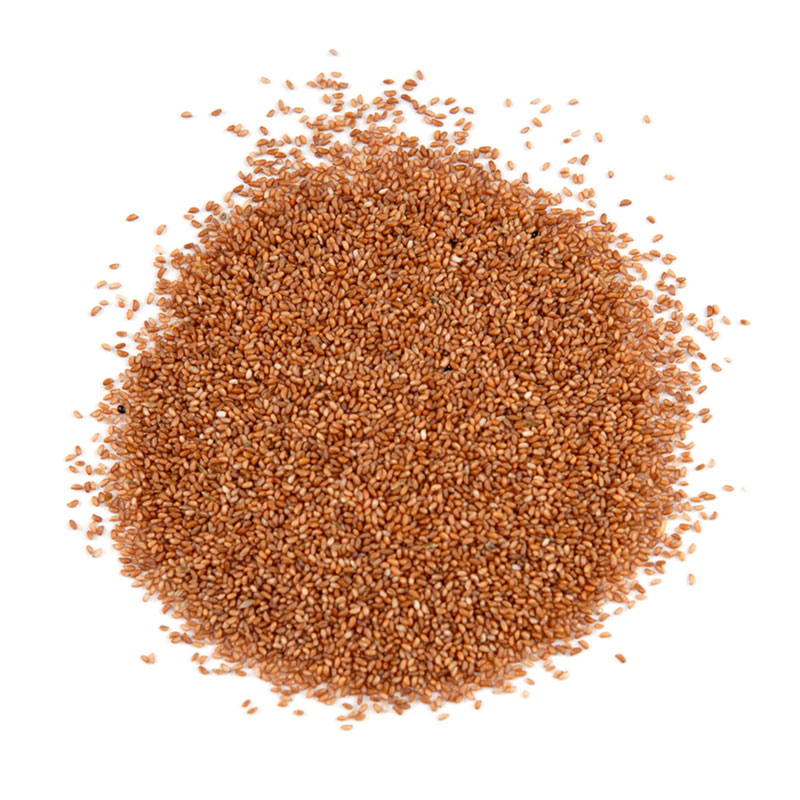
Teff is the smallest grain in the world and has been a staple in Ethiopian and Eritrean diets for millennia. Naturally gluten-free, it is notable for its iron and calcium content relative to other grains, and has a naturally high resistant starch content — approximately 20–40% of total starch — that passes through the small intestine intact, reaching the colon as a substrate for gut bacteria.[1]
Its fine texture blends seamlessly into the core without altering the bar's flavor. In whole grain form — as used here — the bran, germ, and endosperm are all present. Nothing refined out.[2]
Sources
Fikremariam et al. (2022). Nutritional Values of Teff (Eragrostis tef) in Diabetic Patients: Narrative Review. PMC. pmc.ncbi.nlm.nih.gov →
Siyum et al. (2025). Nutritional Characteristics, Health-Related Properties, and Food Application of Teff: An Overview. PMC. pmc.ncbi.nlm.nih.gov →
Chia Seeds
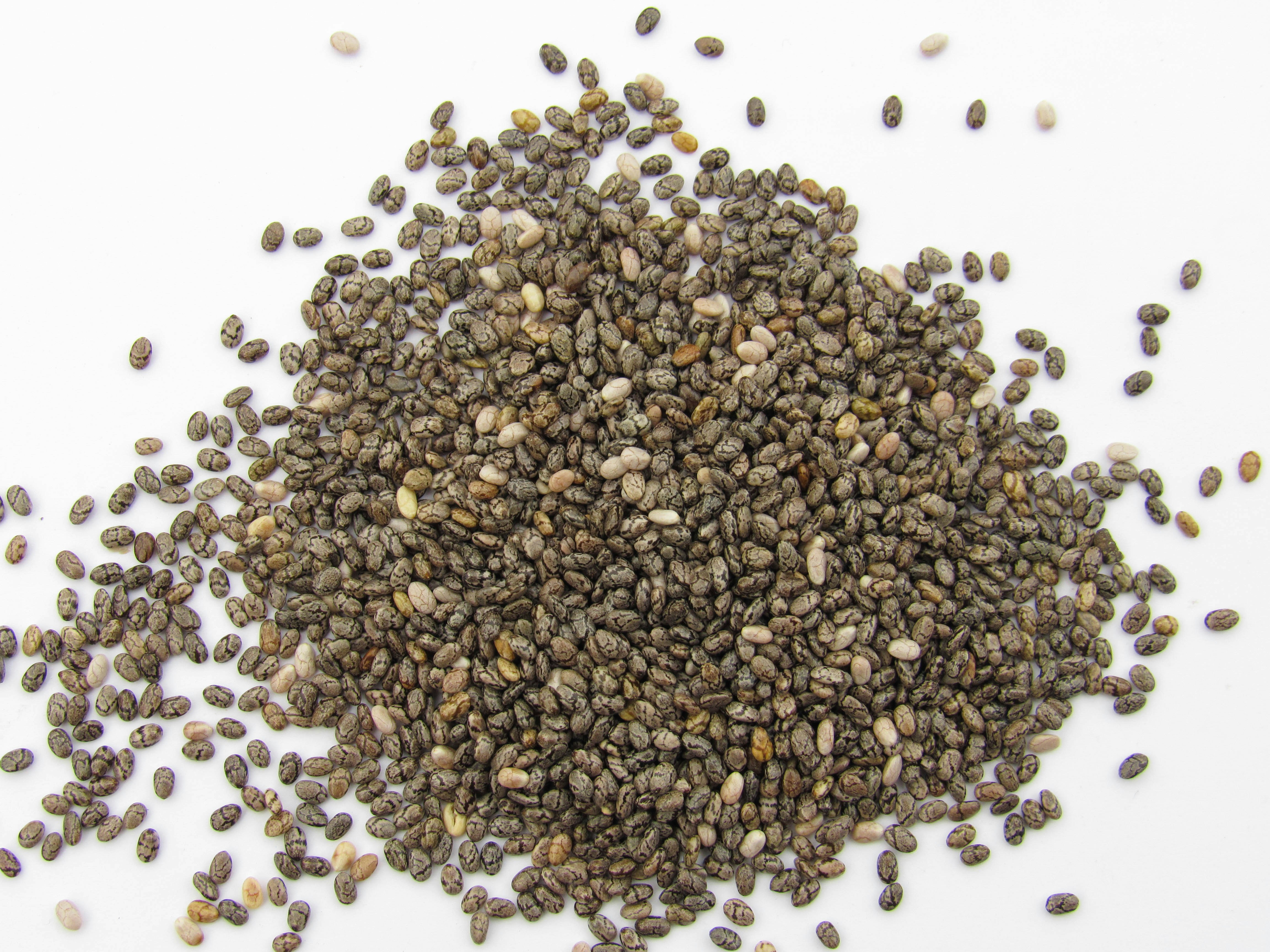
When hydrated, chia seeds form a thick mucilaginous gel — absorbing up to 10–12× their weight in water — that acts as a natural binder, helping hold the bar's core together without egg or dairy.[1] The same soluble fiber fraction has been studied for its potential role in supporting satiety, though individual results vary with overall diet and gut composition.
Chia is one of the richer plant sources of omega-3 ALA (alpha-linolenic acid) — approximately 65% of its oil content — and contributes calcium per serving, notable in a fully vegan formula. A 2024 meta-analysis of randomized controlled trials found chia supplementation significantly decreased C-reactive protein (CRP), a marker of inflammation.[2]
Sources
Ullah et al. (2023). Chia Seeds (Salvia hispanica L.): A therapeutic weapon in metabolic disorders. PMC. pmc.ncbi.nlm.nih.gov →
Toscano et al. (2024). Chia seed supplementation and inflammatory biomarkers: a systematic review and meta-analysis. PMC. pmc.ncbi.nlm.nih.gov →
Flaxseed Meal
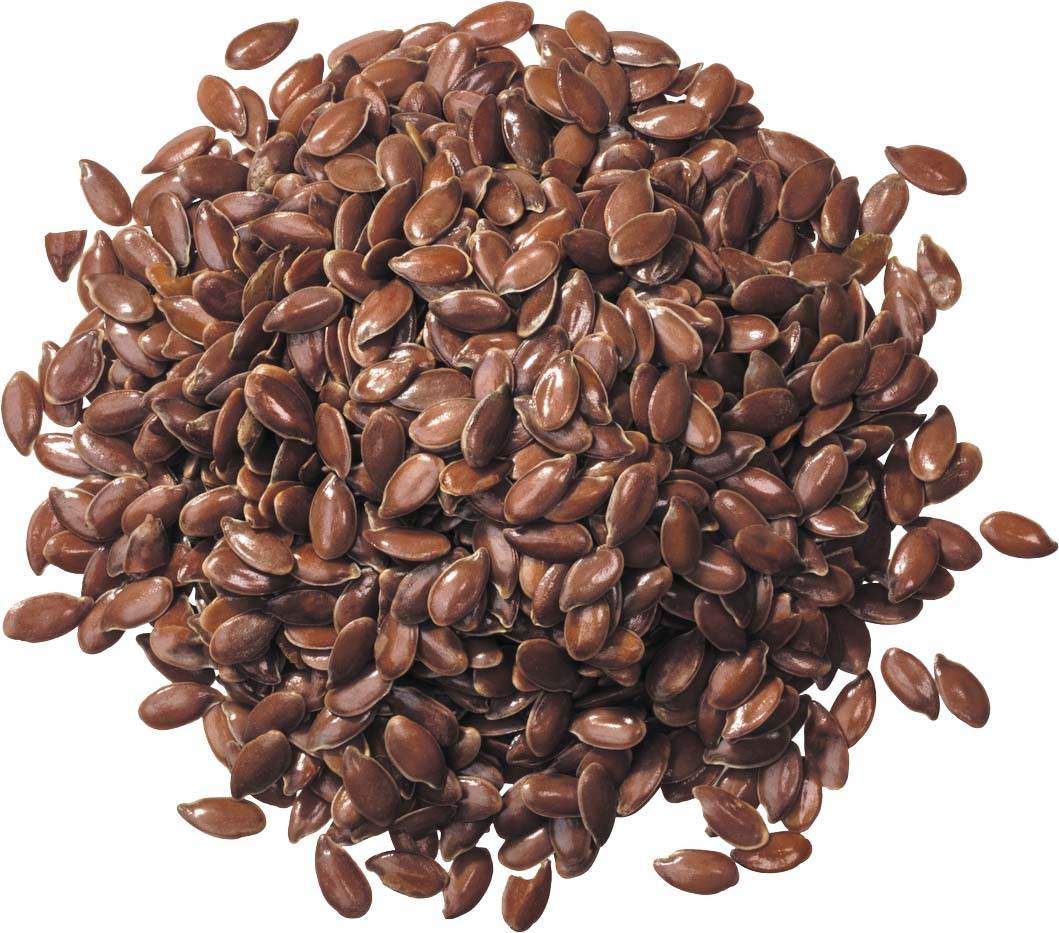
Ground flaxseed adds a secondary binding agent to the core through its mucilaginous soluble fiber — which swells with water and supports gut transit. This complements chia's gel behavior with a finer, more integrated texture in the finished core.
Flax is by far the richest known dietary source of lignans — containing 75–800× the lignan content of other oil seeds, cereals, and legumes.[1] The primary lignan, secoisolariciresinol diglucoside (SDG), is a phytoestrogen metabolized by gut bacteria into the biologically active enterolignans — enterodiol and enterolactone — which have been studied for antioxidant activity and cardiovascular effects.[2] It also contributes plant-based omega-3 ALA alongside chia.
Sources
Linus Pauling Institute. Lignans — Dietary Factors / Phytochemicals. Oregon State University. lpi.oregonstate.edu →
Parikh et al. (2019). Potential protective properties of flax lignan secoisolariciresinol diglucoside (SDG). PMC. pmc.ncbi.nlm.nih.gov →
Fiber & Starch / Five Types
Oat Bran Fiber
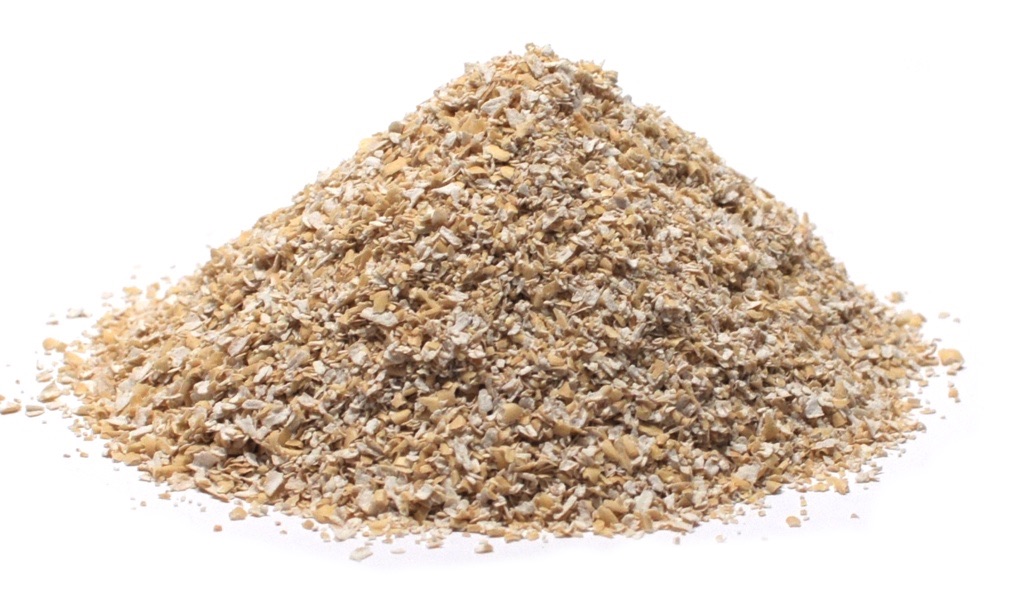
Oat bran is the fiber-concentrated outer layer of the oat kernel — higher in beta-glucan than oat flour, with a fine texture that dissolves into the core without affecting chew. It's the primary contributor to GÜTE Crunch's 10g fiber count, and it carries the same FDA-authorized health claim as the beta-glucan in oat flour: reducing the risk of coronary heart disease.[1]
Beta-glucan in the digestive tract forms a gel that slows glucose absorption and binds to cholesterol-containing bile acids. This is the documented mechanism the FDA reviewed before authorizing the claim — not a marketing interpretation of loosely related research.
FDA Authorized Health Claim — Beta-Glucan / Heart Disease Risk ReductionSources
FDA. 21 CFR § 101.81 — Health claims: Soluble fiber from certain foods and risk of coronary heart disease. ecfr.gov →
Green Banana Flour
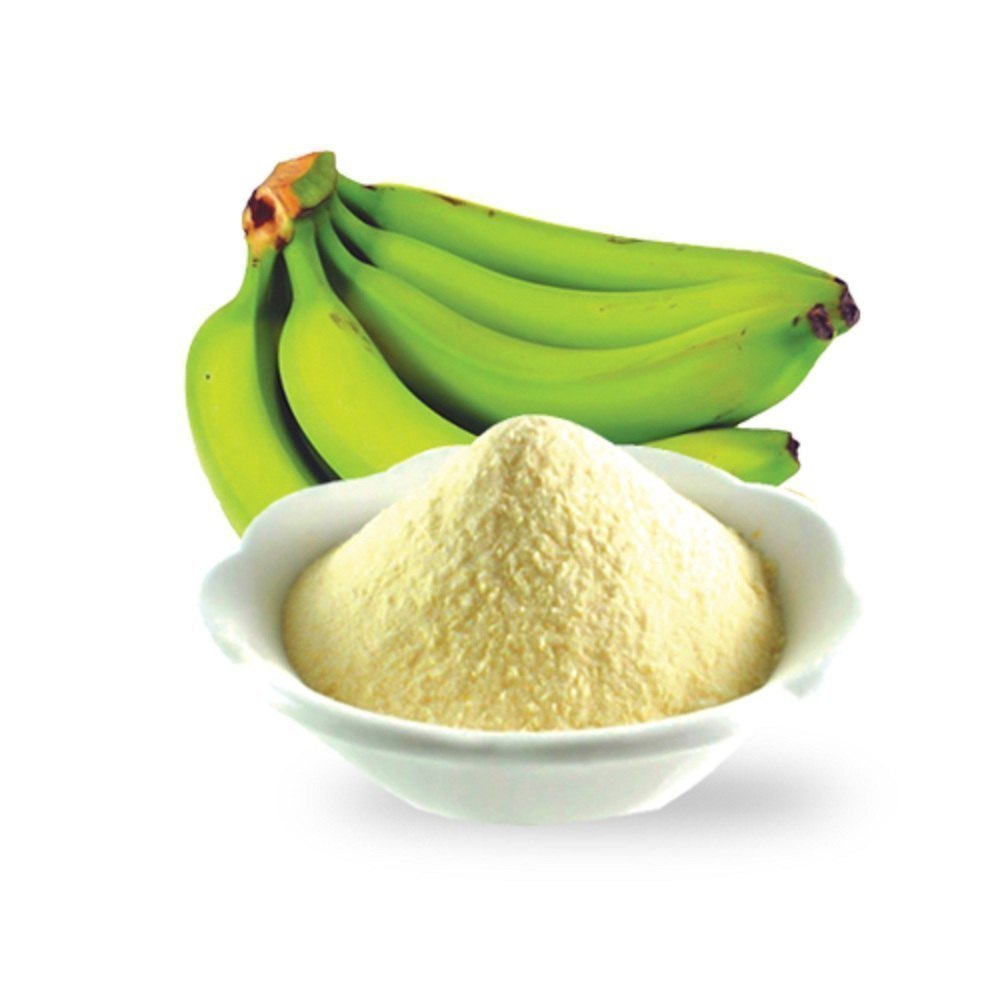
Unripe bananas are harvested before their resistant starches convert to sugars, then dried and milled into flour. The result is naturally rich in Type 2 Resistant Starch (RS2) — a fiber that resists digestion in the small intestine and passes intact to the colon, where gut bacteria ferment it into short-chain fatty acids including butyrate.[1] The RS2 content drops significantly as bananas ripen, which is why the ingredient requires unripe fruit.
RS2 is recognized by the FDA under the high amylose starch category. A 2022 randomized clinical trial found that resistant starch blends including banana RS specifically increased populations of Bifidobacterium and Akkermansia — bacteria positively correlated with GLP-1 production.[1] In finished form inside GÜTE Crunch, green banana flour is completely flavorless.
FDA Recognized — High Amylose Starch (RS2)Sources
Baxter et al. (2022). The gastrointestinal and microbiome impact of a resistant starch blend from potato, banana, and apple fibers: a randomized clinical trial. Frontiers in Nutrition. pmc.ncbi.nlm.nih.gov →
Cassava Fiber
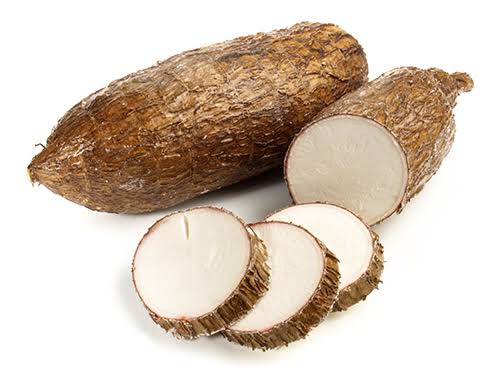
Soluble cassava fiber is a resistant dextrin derived from cassava starch — not to be confused with regular cassava starch, which is a fully digestible carbohydrate. The resistant dextrin form is processed to introduce α-(1→2) and α-(1→3) glycosidic bonds that resist human digestive enzymes, allowing it to travel intact to the colon as a prebiotic substrate. The FDA reviewed this ingredient under GRAS Notice GRN 1045.[1]
It was selected for GÜTE Crunch primarily because of its heat stability during baking. Resistant dextrin from cassava is stable to heat, pH, and processing stresses — meaning the fiber content on the label reflects what's actually in the finished bar, not pre-bake measurements.
FDA GRAS Notice GRN 1045 — Resistant Dextrin from CassavaSources
FDA. GRAS Notice GRN 1045 — Resistant dextrin from cassava. U.S. Food & Drug Administration. fda.gov →
Psyllium Husk
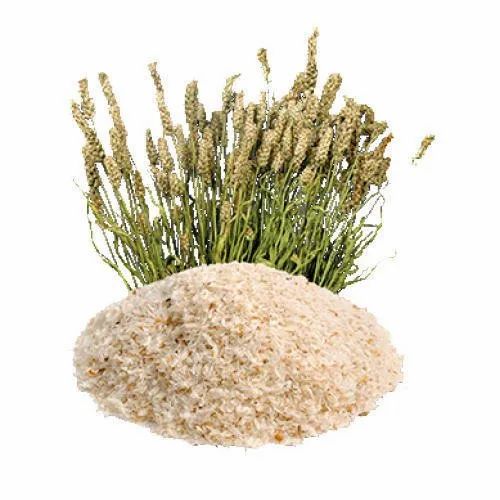
Psyllium husk comes from the seed husks of Plantago ovata. Its soluble fiber absorbs water and forms a viscous gel in the digestive tract. The FDA authorized a health claim for psyllium in 1998 specifically for reducing the risk of coronary heart disease — based on clinical evidence showing 7g per day reduces LDL cholesterol approximately 5–10%.[1] The mechanism: psyllium's gel binds bile acids in the intestinal lumen, reducing their reabsorption and forcing the liver to draw on circulating cholesterol to synthesize replacements.
In GÜTE Crunch's baked core, psyllium also plays a functional structural role: the gel network improves cohesion and holds the grain and fiber matrix together — without any binders derived from dairy or eggs. It's doing two jobs at once.
FDA Authorized Health Claim — Psyllium / Heart Disease Risk Reduction (21 CFR 101.81)Sources
FDA. 21 CFR § 101.81 — Health claims: Soluble fiber from certain foods and risk of coronary heart disease. Amended 1998 to include psyllium seed husk. ecfr.gov →
Acacia Fiber
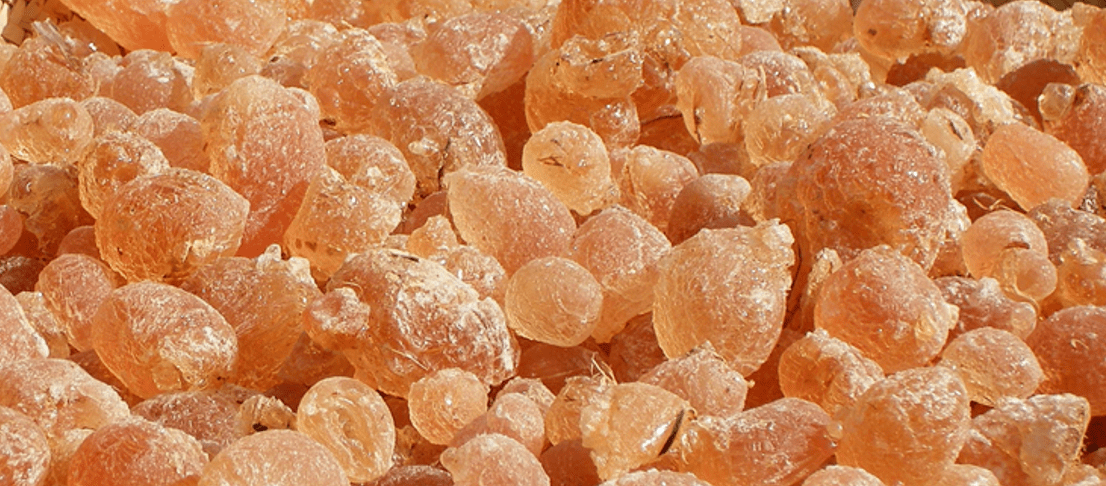
Acacia fiber — also called gum arabic — is a soluble prebiotic harvested from the sap of the acacia tree. It's fermented slowly and steadily by gut bacteria, which gives it one of the gentlest tolerance profiles of any prebiotic: human trials show digestive tolerance comparable to sucrose up to roughly 30g per day, without the rapid gas and bloating that fibers like inulin can cause.[1]
It's bifidogenic — regular intake raises populations of Bifidobacteria and Lactobacilli in a dose-dependent way, with benefit documented from around 10g per day.[1] In December 2021 the FDA added acacia (gum arabic) to its list of recognized dietary fibers, citing evidence that it helps blunt the rise in blood glucose and insulin after a carbohydrate-containing meal.[2]
FDA Recognized — Acacia (Gum Arabic) Dietary FiberSources
Calame et al. (2008). Gum arabic establishes prebiotic functionality in healthy human volunteers in a dose-dependent manner. British Journal of Nutrition. cambridge.org →
FDA (2021). FDA Grants Citizen Petition on Acacia (Gum Arabic) as a Dietary Fiber. U.S. Food & Drug Administration. fda.gov →
Plant Protein / Dual Source
Pea Protein
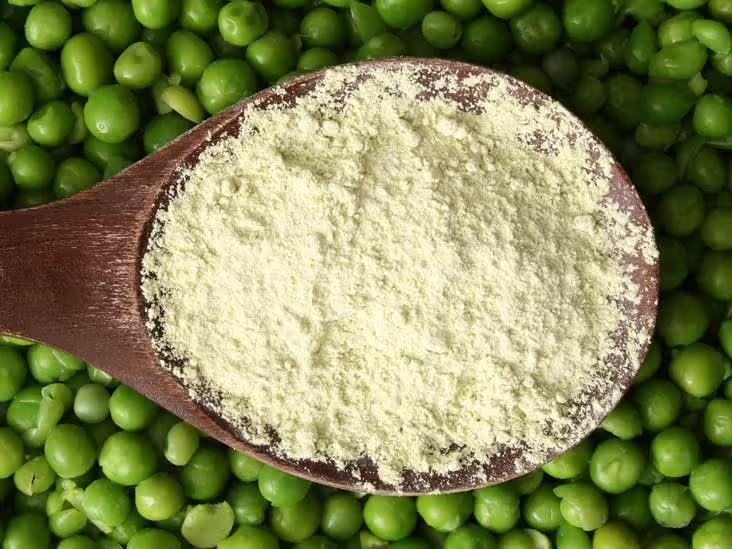
Isolated from yellow split peas, pea protein is high in branched-chain amino acids (BCAAs) — particularly leucine. By itself, pea protein has a DIAAS (Digestible Indispensable Amino Acid Score) of approximately 0.82, limited by its lower methionine and cysteine content. That gap is filled by rice protein, which is why the two are used together rather than pea protein alone at a higher dose.[1]
Pea protein is hypoallergenic and contains no FDA major allergens — unlike whey (dairy) or soy, both of which appear on the allergen list. In the Premium variety of GÜTE Crunch, no ingredient in the entire bar is a major allergen. That's a meaningful distinction in a category where most protein sources carry allergen baggage.
Sources
Journal of the American Center for Nutrition. Comparing Rice and Pea Protein vs. Whey for Muscle Building. jacn.org →
Rice Protein
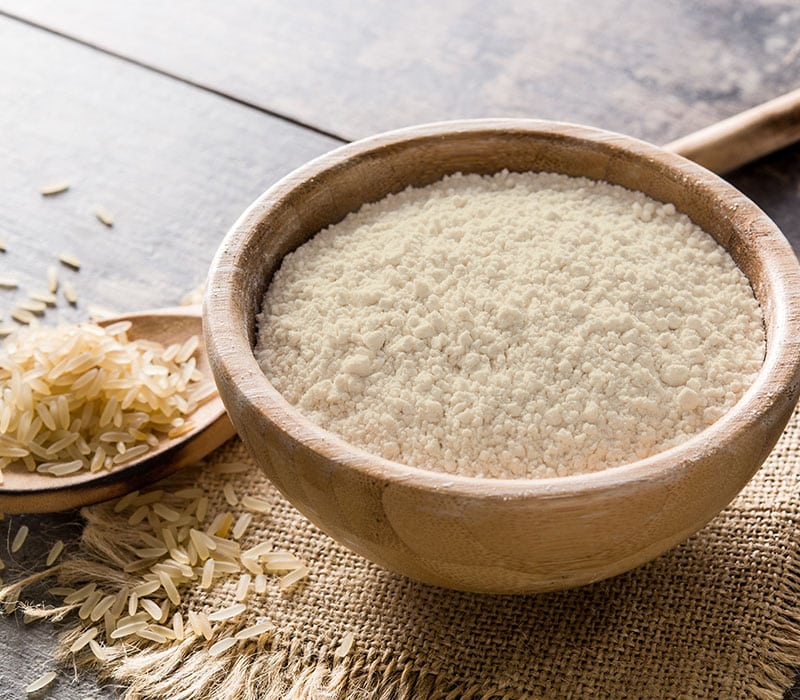
Brown rice protein contributes the amino acids that pea protein is relatively low in — particularly methionine, cysteine, and threonine. When combined in an approximately 70:30 pea-to-rice ratio, the blended DIAAS reaches approximately 0.82 — comparable to many complete protein sources — by offsetting each protein's limiting amino acids.[1] Research in older adults found that pea proteins can maintain muscle protein synthesis comparably to whey in those not consuming sufficient animal protein.[2]
Rice protein is hypoallergenic, smooth in texture, and neutral in flavor — it integrates into the core without the grittiness that some plant proteins introduce at higher inclusion rates.
Sources
Journal of the American Center for Nutrition. Comparing Rice and Pea Protein vs. Whey for Muscle Building. jacn.org →
Pelchat et al. (2024). Circulating Amino Acid Concentration after Consumption of Pea or Whey Proteins in Young and Older Adults. PMC. pmc.ncbi.nlm.nih.gov →
Real Fruit / Applied During Enrobing — Three Flavors
Blueberry Powder
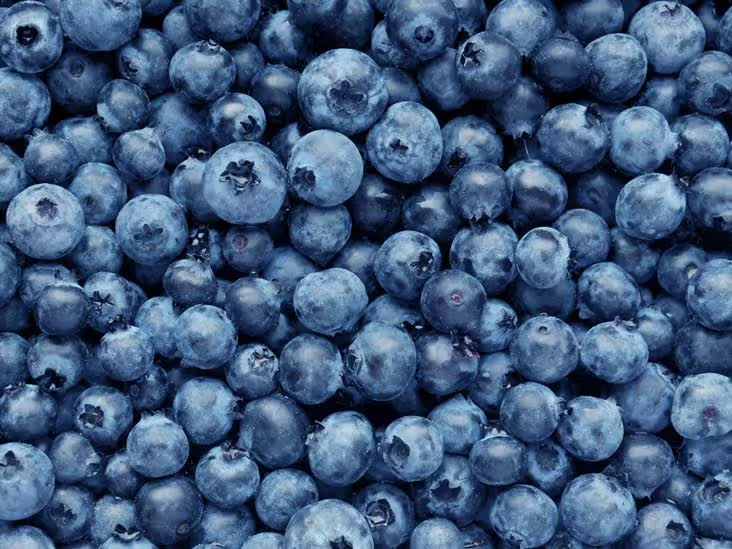
Whole blueberries are freeze-dried — a process that removes water using vacuum and cold rather than heat — then milled to a fine powder. Heat-based drying (cabinet/air drying) degrades anthocyanins significantly, with research documenting losses of up to 41% compared to fresh samples.[1] Freeze-drying is regarded as the most suitable method to preserve anthocyanins and functional properties in blueberries.[2] The powder is applied to the baked core during the chocolate enrobing and molding process, creating the distinctive berry-violet ring visible in cross-section.
Anthocyanins — the pigments responsible for blueberry's blue-purple color — have been studied extensively in nutrition research for their antioxidant activity and potential role in cardiovascular health, though as with most food-based antioxidants, the extent of benefit depends on bioavailability and overall diet context.
Sources
Lohachoompol et al. (2004). The Change of Total Anthocyanins in Blueberries and Their Antioxidant Effect After Drying and Freezing. PubMed. pubmed.ncbi.nlm.nih.gov →
Wojdyło et al. (2021). Influence of the drying methods on color, vitamin C, anthocyanin, phenolic compounds, antioxidant activity in blueberry fruits. ScienceDirect. sciencedirect.com →
Lemon
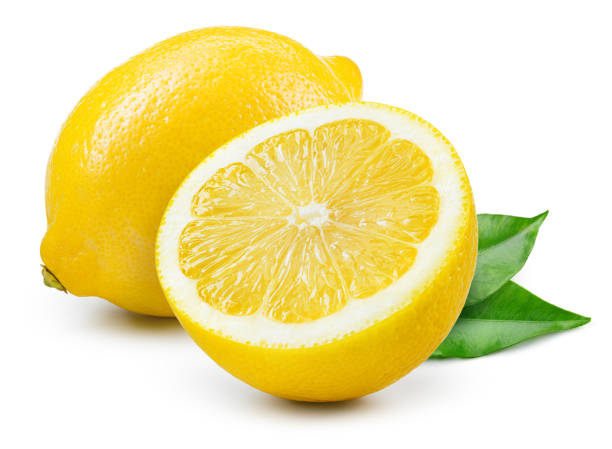
Dehydrated lemon juice powder adds a bright, clean citrus note that cuts through the richness of dark chocolate. Applied during the enrobing and molding process — after the core is baked — it creates a distinct flavor layer between the ancient grain core and the chocolate coat. The tartness balances the bitterness of dark chocolate without requiring added sugar.
Lemon juice naturally contains vitamin C and flavonoid antioxidants, including hesperidin, eriocitrin, and neoeriocitrin — the dominant phenolics in lemon juice.[1] Hesperidin has been studied in nutrition research for anti-inflammatory potential and vascular effects.[2] No artificial flavoring is used — the lemon character comes entirely from the dehydrated juice.
Sources
Klimczak et al. (2016). Bioactive compounds and quality parameters of natural cloudy lemon juices. PMC. pmc.ncbi.nlm.nih.gov →
Aschoff et al. (2021). Effects of Citrus Fruit Juices and Their Bioactive Components on Inflammation and Immunity: A Narrative Review. PMC. pmc.ncbi.nlm.nih.gov →
Cranberry
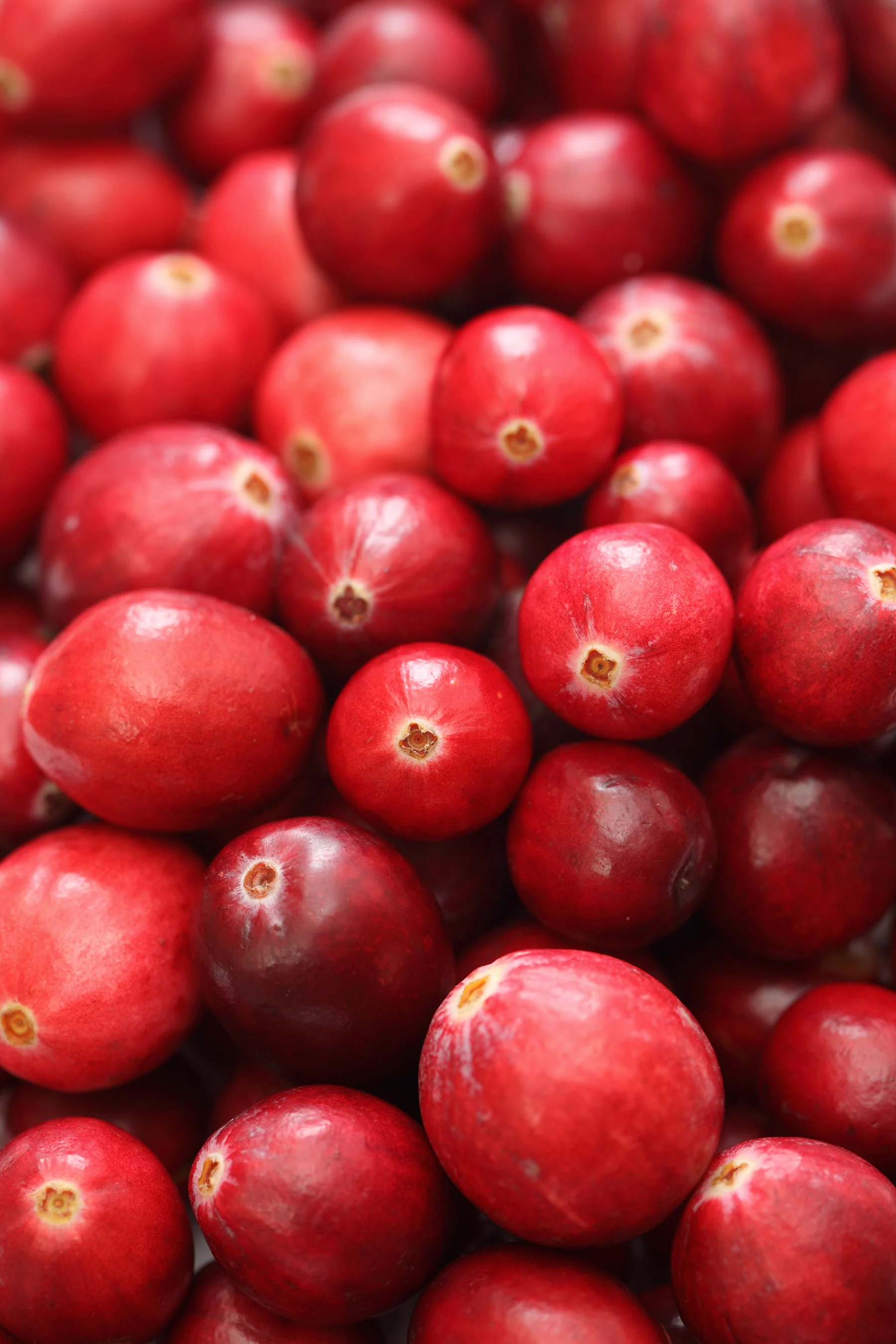
Freeze-dried cranberry powder brings a sharp, concentrated tartness that balances the bitterness of dark chocolate without added sugar. The flavor profile is distinct from blueberry — more astringent, with a natural complexity that makes the chocolate variety feel less sweet and more interesting.
Cranberries are a notable source of proanthocyanidins (PACs) with a distinctive A-type linkage structure that distinguishes them from the B-type PACs found in most other fruits. This structural difference is thought to underlie their anti-adhesion mechanism in the urinary tract, preventing E. coli from attaching to uroepithelial cells.[1] A 2024 meta-analysis found that daily intake of at least 36mg PACs reduced UTI risk by 18%.[2] Freeze-drying preserves these compounds better than heat-processing, though bioavailability from powdered form is an active area of research.
Sources
Jepson et al. (2023). Cranberries for preventing urinary tract infections. Cochrane / PMC. pmc.ncbi.nlm.nih.gov →
Xiao et al. (2024). Preventive effect of cranberries with high dose of proanthocyanidins on urinary tract infections: a meta-analysis and systematic review. Frontiers in Nutrition / PubMed. pubmed.ncbi.nlm.nih.gov →
Base / The Rest
Extra Virgin Olive Oil
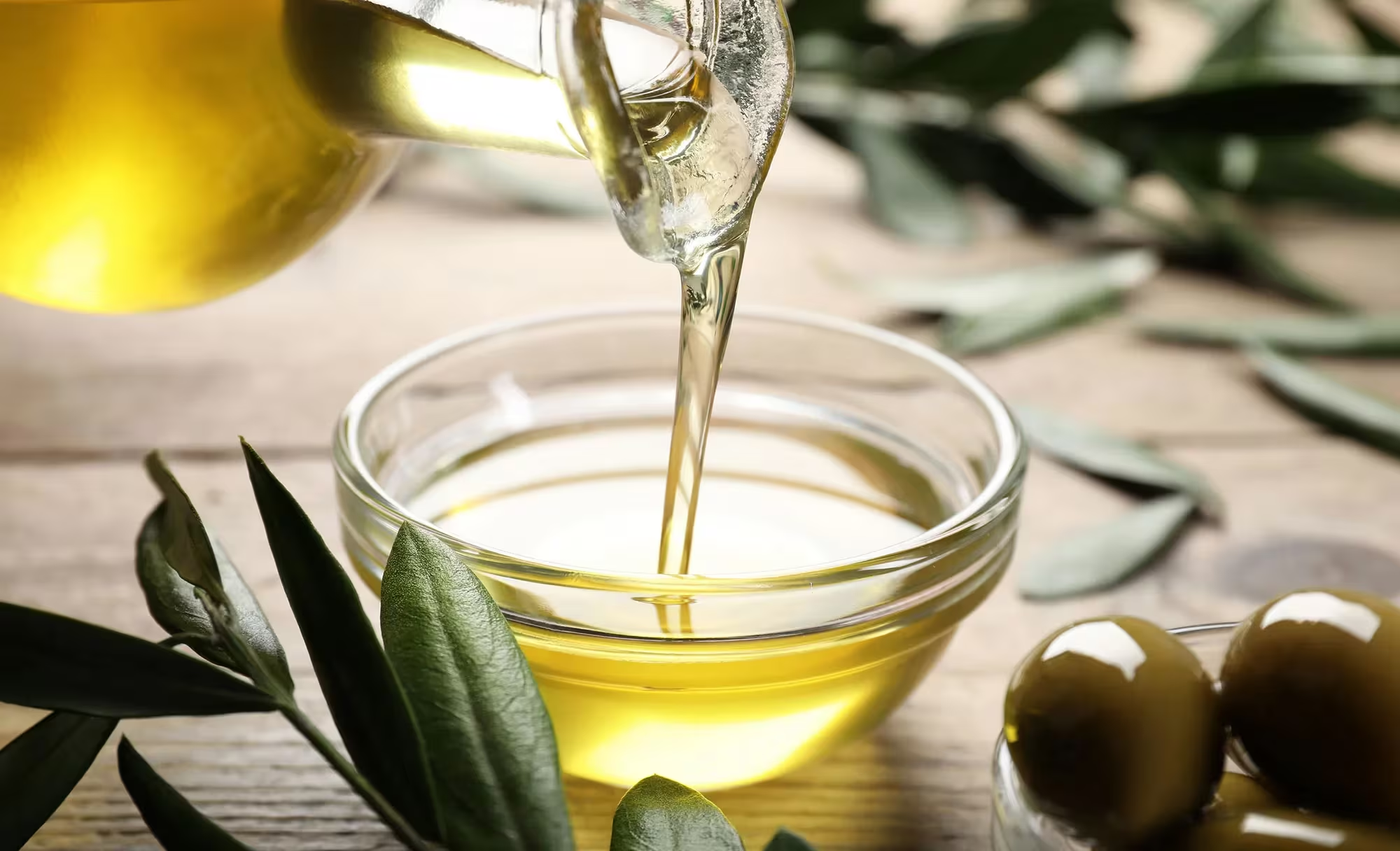
EVOO provides the fat that binds the dry grain and fiber matrix — without dairy, palm oil, or refined vegetable oils. Its primary fatty acid, oleic acid (comprising approximately 70–80% of its composition), is a monounsaturated fat that has been the subject of substantial nutrition research in connection with cardiovascular health — including antihypertensive, lipid-modulating, and anti-inflammatory effects — though benefits depend on overall dietary context.[1]
Using extra virgin rather than refined olive oil means the natural polyphenols — particularly hydroxytyrosol and oleocanthal — are retained. Refined olive oil removes these compounds in processing. Clinical trials comparing high-polyphenol EVOO to low-polyphenol EVOO (same fat profile, different phenolics) consistently show that polyphenol concentration drives the measurable health outcomes.[2]
Sources
Finicelli et al. (2025). Exploring the Cardiovascular Benefits of Extra Virgin Olive Oil: Insights into Mechanisms and Therapeutic Potential. PMC. pmc.ncbi.nlm.nih.gov →
Liu et al. (2023). Protective effects of oleic acid and polyphenols in extra virgin olive oil on cardiovascular diseases. Food Science and Human Wellness. sciencedirect.com →
Baking Soda + Salt
Baking soda reacts with the naturally acidic ingredients in the core dough — including the oat bran and certain grain flours — to produce carbon dioxide during baking, creating lift and contributing to the crunch. Without it the core would be denser and heavier.
Salt suppresses bitterness, amplifies perceived sweetness, and ties together the flavor of every other ingredient. It's the reason the dark chocolate tastes like dark chocolate rather than just cocoa mass. Both are here because the bar wouldn't work without them — not to extend shelf life or mask anything.